If Alcohol Rehab Thailand Is So Bad, Why Don't Statistics Show It?
페이지 정보

본문
Introduction:
Alcohol withdrawal is a condition that occurs when individuals abruptly stop or dramatically decrease their liquor intake after prolonged times of heavy drinking. Its a complex and possibly life-threatening problem that impacts many people globally. This report is designed to offer an extensive summary of alcohol withdrawal, including its symptoms, treatments, and administration methods.
Apparent symptoms of Alcohol Withdrawal:
The onset and severity of alcohol withdrawal symptoms differ among people, based on factors including the quantity and timeframe of drinking and an individual's health. Common symptoms include tremors, anxiety, irritability, sickness, vomiting, sleeplessness, increased heartbeat, and sweating. In severe cases, people may experience hallucinations, seizures, or delirium tremens (DTs), a potentially deadly problem characterized by agitation, confusion, hallucinations, and fluctuating degrees of consciousness.
Treatments:
Whenever working with alcohol detachment, it is vital to seek medical assistance and assistance. The primary goal of treatment solutions are to properly manage withdrawal symptoms, avert complications, and facilitate the transition to sobriety. Medical experts can evaluate the extent of symptoms and determine the appropriate level of care. In moderate instances, outpatient therapy can be administered, while more severe cases may necessitate hospitalization.
Medicines commonly used in alcohol detachment treatment consist of benzodiazepines, that really help reduce anxiety, relieve signs, and prevent seizures. Other medications including antipsychotics, anticonvulsants, and beta-blockers could be useful to manage certain signs or co-occurring problems. Also, vitamin supplements, specially thiamine (vitamin B1), tend to be recommended to stop or treat prospective deficiencies associated with excessive drinking.
Management Techniques:
Along with health treatments, different methods can be used to handle liquor withdrawal successfully.
 1. Supportive Care: Offering a supportive environment encourages a feeling of security and convenience. This can include making sure appropriate nourishment, hydration, and remainder, as well as monitoring important indications and addressing any health problems that will occur during withdrawal.
 2. Psychotherapy: looking for psychological state help, such as counseling or psychotherapy, can play a vital role in addressing fundamental emotional or mental problems that subscribe to alcohol dependency. These interventions help individuals develop coping strategies, control triggers, and establish healthy choices to alcohol.
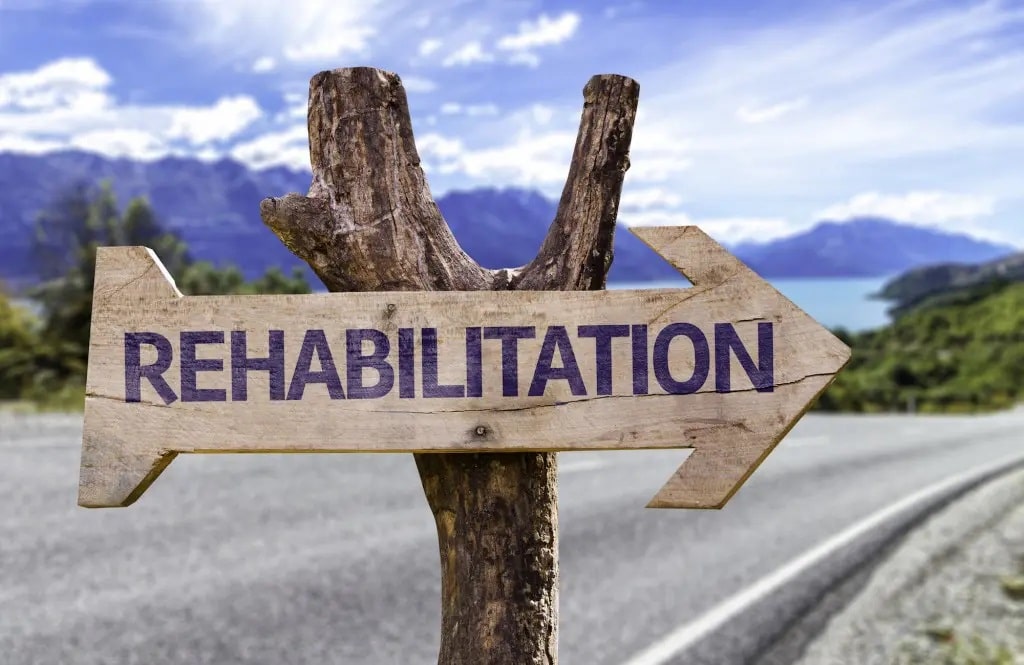 3. Rehabilitation products: participating in rehabilitation programs, like inpatient or outpatient centers, provides a structured and supporting environment for individuals seeking lasting data recovery. These programs often incorporate medical interventions, counseling, and peer assistance to address the physical, emotional, and personal components of alcoholic beverages prescription drug addiction treatment thailand.
4. Follow-up Care: After doing preliminary detox and therapy, individuals should continue to look for ongoing attention. This may include taking part in organizations, attending regular treatment sessions, and obtaining follow-up evaluations to make sure correct actual and mental health.
Conclusion:
Alcohol detachment is a difficult condition that will require medical assistance and extensive support. Knowing the signs, treatment options, and management strategies can significantly help with assisting individuals safely navigate the withdrawal procedure and attain lasting recovery. By providing appropriate attention and sources, we could enhance the results for the people seeking to conquer alcoholic beverages addiction.
Alcohol withdrawal is a condition that occurs when individuals abruptly stop or dramatically decrease their liquor intake after prolonged times of heavy drinking. Its a complex and possibly life-threatening problem that impacts many people globally. This report is designed to offer an extensive summary of alcohol withdrawal, including its symptoms, treatments, and administration methods.
Apparent symptoms of Alcohol Withdrawal:
The onset and severity of alcohol withdrawal symptoms differ among people, based on factors including the quantity and timeframe of drinking and an individual's health. Common symptoms include tremors, anxiety, irritability, sickness, vomiting, sleeplessness, increased heartbeat, and sweating. In severe cases, people may experience hallucinations, seizures, or delirium tremens (DTs), a potentially deadly problem characterized by agitation, confusion, hallucinations, and fluctuating degrees of consciousness.
Treatments:
Whenever working with alcohol detachment, it is vital to seek medical assistance and assistance. The primary goal of treatment solutions are to properly manage withdrawal symptoms, avert complications, and facilitate the transition to sobriety. Medical experts can evaluate the extent of symptoms and determine the appropriate level of care. In moderate instances, outpatient therapy can be administered, while more severe cases may necessitate hospitalization.
Medicines commonly used in alcohol detachment treatment consist of benzodiazepines, that really help reduce anxiety, relieve signs, and prevent seizures. Other medications including antipsychotics, anticonvulsants, and beta-blockers could be useful to manage certain signs or co-occurring problems. Also, vitamin supplements, specially thiamine (vitamin B1), tend to be recommended to stop or treat prospective deficiencies associated with excessive drinking.
Management Techniques:
Along with health treatments, different methods can be used to handle liquor withdrawal successfully.
1. Supportive Care: Offering a supportive environment encourages a feeling of security and convenience. This can include making sure appropriate nourishment, hydration, and remainder, as well as monitoring important indications and addressing any health problems that will occur during withdrawal.2. Psychotherapy: looking for psychological state help, such as counseling or psychotherapy, can play a vital role in addressing fundamental emotional or mental problems that subscribe to alcohol dependency. These interventions help individuals develop coping strategies, control triggers, and establish healthy choices to alcohol.3. Rehabilitation products: participating in rehabilitation programs, like inpatient or outpatient centers, provides a structured and supporting environment for individuals seeking lasting data recovery. These programs often incorporate medical interventions, counseling, and peer assistance to address the physical, emotional, and personal components of alcoholic beverages prescription drug addiction treatment thailand.4. Follow-up Care: After doing preliminary detox and therapy, individuals should continue to look for ongoing attention. This may include taking part in organizations, attending regular treatment sessions, and obtaining follow-up evaluations to make sure correct actual and mental health.
Conclusion:
Alcohol detachment is a difficult condition that will require medical assistance and extensive support. Knowing the signs, treatment options, and management strategies can significantly help with assisting individuals safely navigate the withdrawal procedure and attain lasting recovery. By providing appropriate attention and sources, we could enhance the results for the people seeking to conquer alcoholic beverages addiction.
- 이전글molnupiravir dostępny bez recepty medycznej w Zielonej Górze, Polska cipmolnu 200 mg polecany przez lekarzy w Tarnowie 23.12.17
- 다음글Rehab Chiang Mai Is crucial To your Success. Read This To seek out Out Why 23.12.17
댓글목록
등록된 댓글이 없습니다.