The 1725 Brazilian Gold Coin’s Extraordinary Size
페이지 정보

본문
In the mid-1720s, as the gold rush reached its zenith, a one-of-a-kind gold coin was produced—not for its design, but for its extraordinary size. While nearly all coins throughout the Portuguese colonies adhered to established specs, this coin was deliberately exceeding all norms than any other in circulation. It was not a flaw, nor was it a prototype. It was a deliberate act of authority.
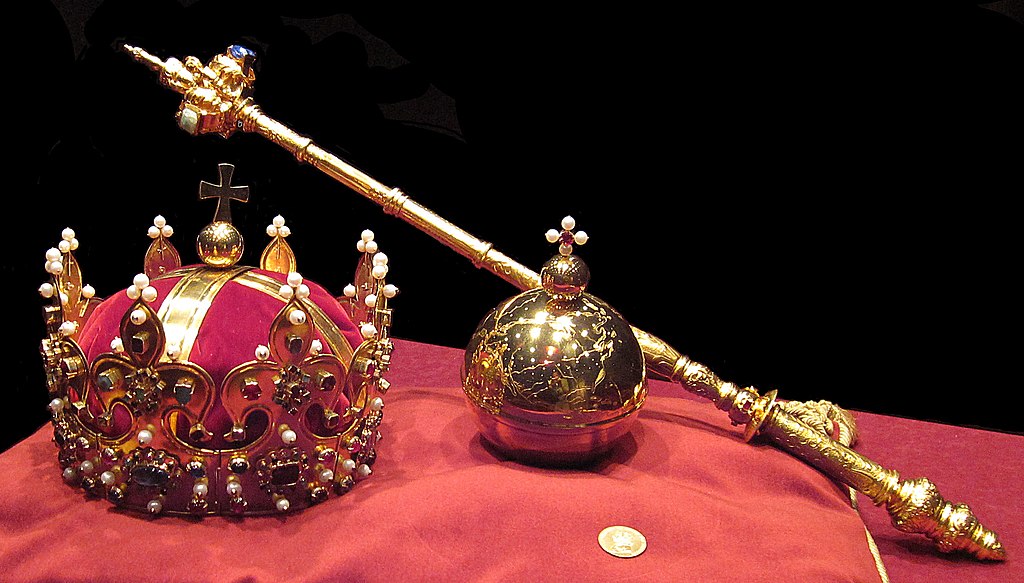
This unusual medallion was struck at the royal mint in Ouro Preto, the epicenter of colonial gold production. Colonial governors had grown visibly worried about the huge exodus of gold to the motherland, and the spreading crisis of fake coins. Smugglers were dissolving standard coins to sell raw gold, while counterfeiters were flooding markets with deceptive copies that eroded trust in the official currency.
To curb this growing crisis, the the monarchy ordered the minting of a unique medallion with a precise diameter that rendered it beyond the reach of counterfeiters. Its bulk was excessively massive to fit into regular coin dies, and its mass surpassed the norm by over a third. Even more cleverly, its rim were slightly raised in a signature motif that could only be achieved using specially modified dies. This made the coin immediately recognizable and virtually impossible to forge without royal mint access.
The coin was never intended for general circulation. It was set aside for state disbursements between the Crown and elite officials, for large-scale trade with foreign merchants, アンティークコイン and as a visible assertion of control. In the gold camps, crowds would congregate to be awed by it during official unveilings. Its immense density required both hands to lift, and its radiant sheen shimmered under the tropical light like solidified sunlight.
As the ore supply began to diminish and the regional trade underwent restructuring, the coin was phased out. Most were collected and reforged into regular currency. Today, only a handful are known to exist, each enshrined in institutional vaults. They are not the most gold-rich from the era, but they are some of the most culturally pivotal—their form telling a tale of brilliant innovation, dominance, and the extreme measures empires would take to protect their economic power.
The 1725 Brazilian gold coin stands as a subtle monument to an era when a minor adjustment in dimension could become a formidable tool of statecraft. It was nothing short of money. It was a defensive barrier, a emblem, and a invisible deterrent to anyone who dared who believed they could outwit the Crown.
- 이전글The Forgotten Precursors to the Guinea: England’s Early Gold Coins (1622–1625) 25.11.07
- 다음글The Silent Witness: Charles VI’s Écu Amid France’s Collapse 25.11.07
댓글목록
등록된 댓글이 없습니다.