A Beginner’s Guide to Cleaning and Preserving Ancient Coins
페이지 정보

본문
Handling ancient coins demands gentle attention, reverence for the past, and meticulous technique
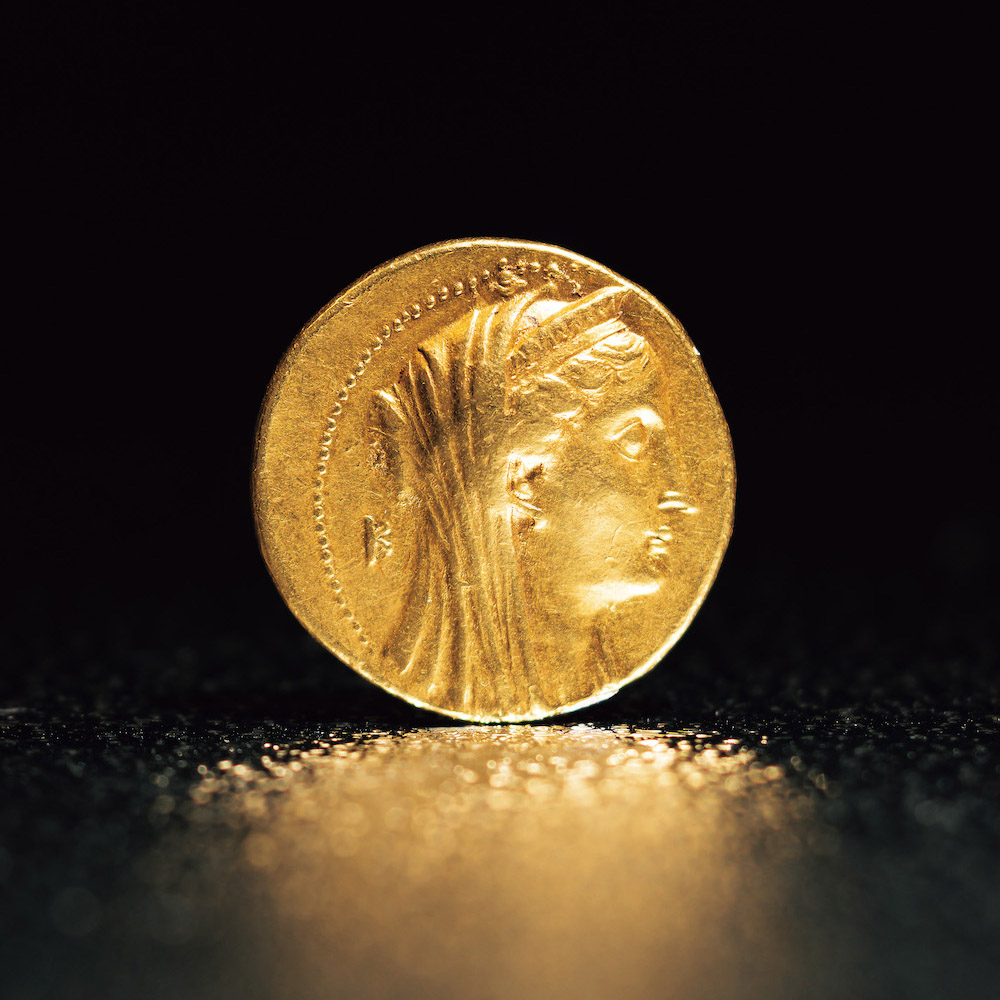
Each coin is a silent witness to history, bearing the imprint of dynasties, merchants, and common people who lived long ago
The first and most important rule is never to clean an ancient coin with harsh chemicals, abrasive tools, or even regular household cleaners
Improper cleaning may scar the metal, dissolve ancient surface layers, and erase evidence that scholars depend on to date and interpret the coin
Always inspect the coin carefully under controlled illumination, ideally with a 10x or higher magnifying lens
Check carefully for verdigris, encrustations, or unnatural shine that might indicate prior improper treatment
If the coin is heavily encrusted with soil or mineral deposits, do not attempt to scrub it
Instead, soak it gently in distilled water for a few days
Distilled water is preferred because it lacks minerals and impurities that could react with the metal
Change the water daily and let the dirt loosen naturally
A few experts employ a clean, ultra-soft bristle brush—such as a new, unused cosmetic brush—to dislodge surface grit, provided the coin is intact
These common kitchen substances can chemically etch the coin’s surface and strip away original toning
They risk dissolving fine details, corroding the metal, and permanently altering the coin’s appearance
Ultrasonic baths, while effective for modern metals, can fracture brittle ancient alloys and blast away delicate surfaces
If the coin has green or blue corrosion, known as patina, this is often a sign of age and should be left alone
Preserving the patina often means preserving the coin’s long-term stability
After any gentle cleaning, dry the coin thoroughly with a soft, lint-free cloth
Store it in a cool, dry place away from direct sunlight and humidity
Opt for archival-quality Mylar sleeves, inert plastic flips, or buffered cardboard mounts
PVC containers emit plasticizers that react with copper and silver, アンティークコイン causing green residue and pitting
For long-term preservation, consider placing the coin in a sealed container with silica gel packets to absorb moisture
Professional conservators have the expertise and tools to evaluate and stabilize fragile ancient coinage safely
They have the training and tools to assess and preserve ancient coins safely
A coin’s value lies in its authenticity, not in artificial shine or polish
The most valuable ancient coins are those that have survived with their original surfaces intact
By respecting its origins, you become a guardian of its legacy, ensuring future generations can learn from it
- 이전글Coin Provenance Explained: How Ownership History Shapes Value and Legacy 25.11.07
- 다음글hot Lahore escort advance will create you cum hard 25.11.07
댓글목록
등록된 댓글이 없습니다.