Protecting Your Coin Collection Against Environmental Harm
페이지 정보

본문
Protecting your coin collection from environmental damage is essential to preserving both its value and its historical integrity.
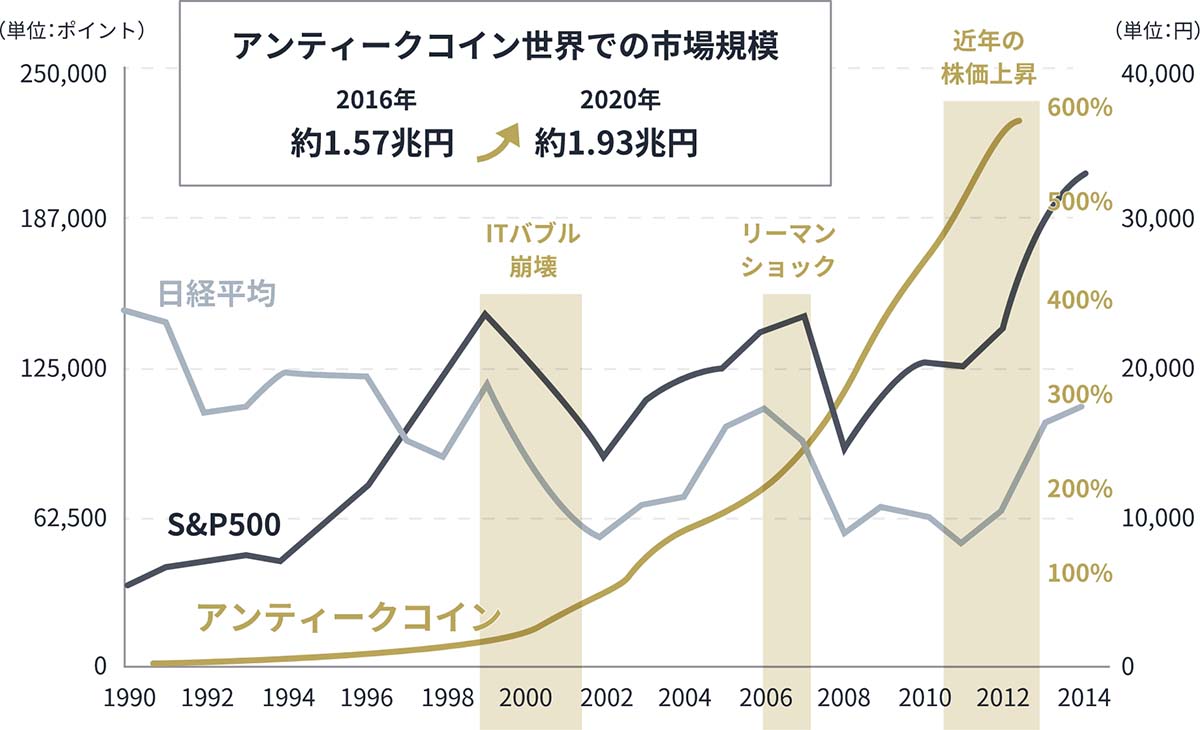
Coins are made of metals that can react to moisture, temperature changes, アンティークコイン投資 and pollutants in the air.
Over time, these elements can cause tarnish, corrosion, or discoloration that is difficult or impossible to reverse.
The first step in safeguarding your collection is to store your coins in a stable environment.
Do not store coins in spaces prone to moisture, including basements, lofts, or poorly ventilated closets.
Select a well-ventilated, temperature-stable room with reliably low moisture content.
The optimal humidity range for coin storage lies between 40% and 50%.
Employ archival-grade containers that won’t harm your coins.
Never use standard office supplies like notebook paper, corrugated boxes, or generic plastic wraps.
Choose protective sleeves constructed from chemically stable polymers such as Mylar or HDPE.
These inert substances prevent chemical interaction and block exposure to environmental toxins.
Long-term protection is best achieved with vacuum-sealed or hermetically sealed coin holders.
These will shield your coins from dust, fingerprints, and accidental scratches.
Never handle your coins with bare hands.
The natural oils and acids from your skin can leave permanent marks.
Always use clean cotton gloves or hold coins by their edges using coin tongs designed for this purpose.
Place a cushioned cloth beneath your coins to absorb impact if they fall during handling.
Avoid placing your collection near windows or under halogen, LED, or fluorescent fixtures.
Prolonged light exposure triggers chemical breakdowns in copper, silver, and bronze alloys.
Store your coins in a dark cabinet or drawer when not on display.
When exhibiting coins, ensure display cases feature UV-blocking glazing to prevent degradation.
Regularly inspect your coins for signs of damage such as green or brown spots, cloudiness, or flaking.
Prompt observation enables timely intervention to halt or slow further damage.
Always refer to a trained numismatic conservator instead of using home cleaning methods.
Incorrect methods can erode fine details and destroy the coin’s original finish, lowering its market value.
Never store coins near paints, solvents, wood, adhesives, or cleaning agents.
Off-gassing from common household materials may trigger long-term metal degradation.
Designate a standalone storage space, free from incompatible materials.
With diligent, ongoing care, your coin collection can be preserved in pristine state for future collectors
- 이전글How Religious Imagery Shapes Currency Design 25.11.07
- 다음글Coin Societies: Guardians of Numismatic Legacy and Cultural Memory 25.11.07
댓글목록
등록된 댓글이 없습니다.